
Food safety has become one of the most critical concerns for global food manufacturers. Consumers today expect food products that are not only safe from harmful microorganisms but also fresh, nutritious, and minimally processed. Traditional sterilization methods have played an essential role in extending shelf life and preventing foodborne risks, but many thermal-based technologies can negatively affect food quality by damaging heat-sensitive nutrients, flavors, colors, and textures.
This creates a fundamental challenge for the food industry:
How can food sterilization equipment achieve reliable microbial safety while preserving the nutritional value and natural characteristics of food?
The answer lies in the development of advanced non-thermal processing solutions. Technologies such as high pressure processing equipment and modern sterile processing technology are transforming the way manufacturers approach food safety by providing effective microbial control without excessive heat treatment.
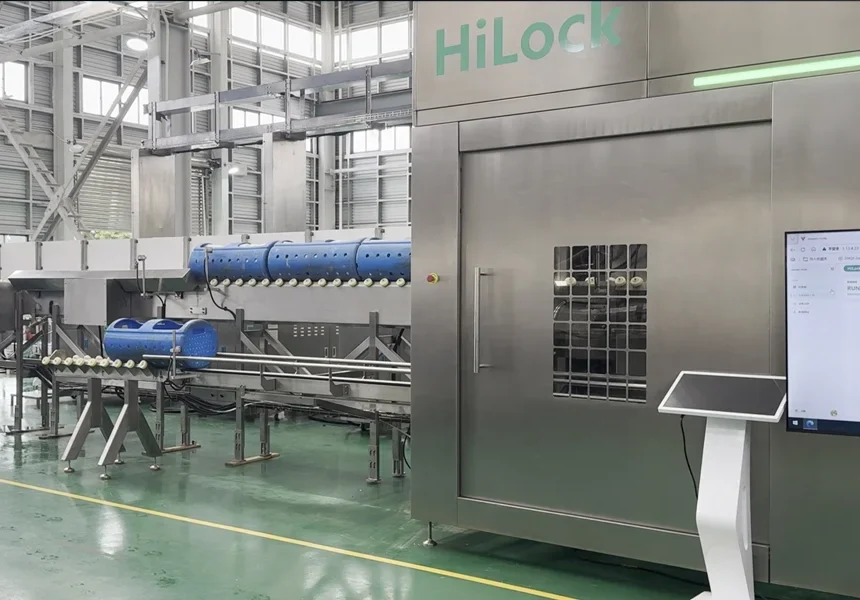
As a professional manufacturer specializing in ultra-high pressure equipment R&D, design, and manufacturing, we provide integrated HPP solutions for food, beverage, cosmetics, and biopharmaceutical industries. With advanced precision machining capabilities, a complete supply chain system, customized engineering solutions, and comprehensive testing facilities, we support global enterprises and research institutions with high-performance sterilization technologies.
The Limitations of Traditional Food Sterilization Methods
For decades, thermal sterilization has been the standard approach for eliminating microorganisms in food products. Processes such as pasteurization and high-temperature sterilization can effectively reduce microbial risks, but they also create several challenges.
Nutritional Loss
Heat can accelerate the degradation of sensitive nutrients, including:
- Vitamin C
- Certain B vitamins
- Natural antioxidants
- Bioactive compounds
For products such as fruit juices, functional beverages, fresh foods, and nutritional supplements, maintaining these components is essential for product quality.
Changes in Food Quality
High-temperature processing may cause:
- Flavor changes
- Color deterioration
- Texture softening
- Loss of fresh characteristics
Consumers increasingly prefer products that maintain their original taste and nutritional profile, creating demand for gentler processing technologies.
Increased Demand for Clean Label Products
The modern food market is shifting toward:
- Natural ingredients
- Minimal processing
- Reduced additives
- Longer shelf life without preservatives
This trend requires food manufacturers to adopt sterilization solutions that improve safety while maintaining product integrity.
Mainstream Technology Path: HPP Non-Thermal Processing Technology
Currently, the industry-recognized solution offering the best balance is non-thermal processing technology, among which High Pressure Processing (HPP) is one of the most mature and widely adopted technologies.
HPP is a non-thermal pasteurization and microbial inactivation technology. Its core principle is to apply hydrostatic pressure to food using water as the pressure-transmitting medium, at low temperatures of 5°C–20°C, with pressures of up to 600 MPa (approximately 6,000 bar). This pressure is equivalent to placing the weight of three passenger aircraft on an area the size of a smartphone.
The Science Behind HPP Microbial Inactivation:
- HPP does not break covalent bonds in food, allowing vitamins, flavor compounds, and natural pigments to be largely preserved.
- HPP uses pressure to disrupt microbial cell membranes and critical enzymes, effectively inactivating pathogens and spoilage microorganisms such as Salmonella, E. coli, and Listeria.
- Pressure is distributed uniformly throughout the food, regardless of product shape or size, leaving no untreated areas.
How Does HPP Balance Food Safety and Nutritional Quality?
1. Enhanced Safety: Reducing Pathogens by 99.999% Without Preservatives
HPP technology can reduce pathogenic microorganisms by 99.999% and achieve a 6-log reduction in total viable counts, meeting stringent food safety requirements. Authoritative testing data show that HPP-treated products can achieve extended shelf life without the addition of preservatives, aligning with the growing consumer demand for clean-label foods.
2. Freshness Preserved: Over 95% Nutrient Retention
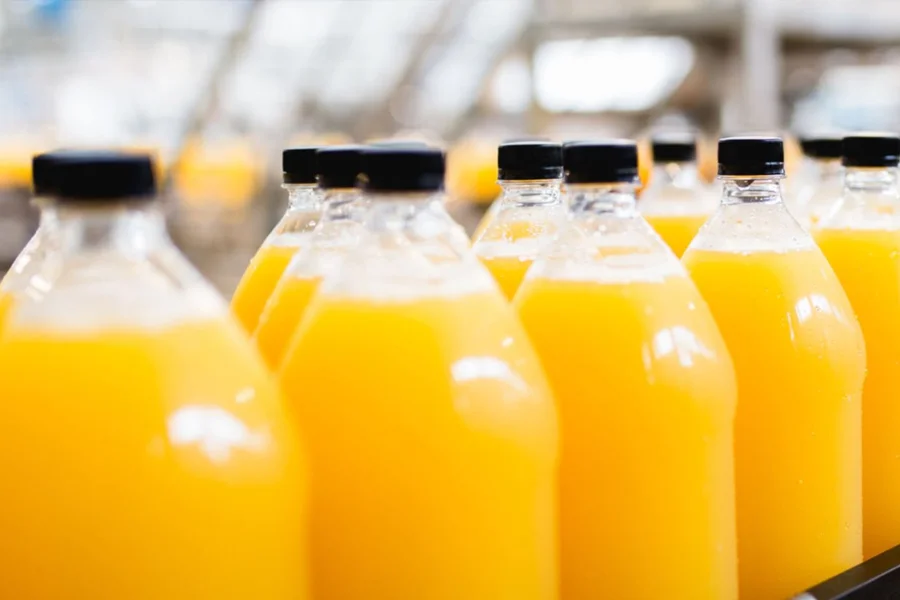
Compared with conventional thermal sterilization, HPP can achieve over 95% vitamin retention. For example, after HPP treatment, freshly squeezed orange juice can retain a taste and nutritional profile very close to that of freshly squeezed juice. HPP-treated guacamole can also maintain its vibrant green color for an extended period without browning or spoilage.
3. Extended Shelf Life: From Days of Freshness to Months of Shelf Life
Depending on the characteristics of the product, HPP technology can extend shelf life by 30–120 days:
- Freshly squeezed orange juice: from 2–3 days to 45 days
- Ready-to-eat salads: from 3 days to 42 days
- Cream cheese: from 35 days to 150 days
This not only significantly improves supply chain efficiency but also helps reduce food waste.
4. Environmental Benefits: Energy-Efficient and Sustainable Production
HPP systems require only electricity and water for operation, and the water can be recycled. The process produces no wastewater, exhaust gases, or chemical residues, supporting a greener and more sustainable approach to food production.
At the same time, the equipment uses the latest high-pressure intensifier technology, delivering 10% higher efficiency than comparable systems while reducing operating costs by 25%.
Traditional Heat Sterilization vs.HPP Sterilization
| Dimension | Traditional Thermal Sterilization | HPP (High Pressure Processing) |
|---|---|---|
| Sterilization Principle | High temperature destroys microorganisms | High pressure destroys cell membranes |
| Nutrient Retention | Vitamin C loss up to 50% | Retention rate > 95% |
| Taste & Flavor | Significantly degraded | Maintains original quality |
| Preservatives | Often required | Zero additives |
| Shelf Life | Limited | Extended by 4–30 times |
| Environmental Friendliness | High energy consumption | Water recyclable, energy-saving & eco-friendly |
Applications and Market Outlook
HPP technology is widely used in juice and beverage processing, meat products, ready-to-eat foods, seafood, baby food, dairy products, and other food applications. As consumer demand for premium, health-oriented foods continues to grow, the HPP-treated ready-to-eat food market is expected to account for more than 30%, with potential brand premiums of 20%–30%.
The global high-pressure processing equipment market was valued at approximately RMB 2.7 billion in 2020 and is projected to reach RMB 5.3 billion by 2026, representing a compound annual growth rate (CAGR) of 9.5%.
HPP technology is emerging as a key driver of the food industry’s transition from conventional processing to higher-value, advanced food manufacturing, supporting safer, fresher, and more sustainable food production.
Conclusion
The question of how food sterilization equipment can balance safety and nutrition has become increasingly important in modern food manufacturing. Traditional thermal methods provide effective sterilization but may compromise nutritional quality and sensory characteristics.
Through advanced high pressure processing equipment and innovative sterile processing technology, manufacturers can achieve reliable microbial control while preserving the natural quality of food.
With strong capabilities in ultra-high pressure equipment development, precision manufacturing, customized engineering, and complete application solutions, advanced HPP technology providers are helping global food companies move toward a safer, healthier, and more sustainable future.