
Consumers today expect meat products that are not only safe but also fresh, nutritious, and free from excessive preservatives. Meanwhile, meat manufacturers face increasing pressure to comply with stringent food safety regulations while maintaining production efficiency and product quality.
Traditional thermal sterilization methods can effectively eliminate harmful microorganisms, but they often compromise texture, flavor, color, and nutritional value. As consumer demand shifts toward minimally processed foods with clean labels, manufacturers require innovative preservation technologies that protect both food safety and product integrity.
High Pressure Processing (HPP) has emerged as one of the most advanced non-thermal food preservation technologies available today. By combining ultra-high pressure with modern sterile processing technology, HPP effectively inactivates pathogens while preserving the natural characteristics of meat products.
What is High Pressure Processing (HPP)
High Pressure Processing is a non-thermal preservation technology that subjects packaged food to hydrostatic pressures typically ranging from 400 MPa to 600 MPa.
Unlike heat-based sterilization, pressure is transmitted uniformly through water, ensuring every part of the packaged product receives the same treatment regardless of its shape or size.
The process generally includes four stages:
- Loading sealed products into the pressure vessel
- Filling the chamber with water
- Applying ultra-high pressure for several minutes
- Depressurization and product unloading
Because pressure acts instantly and uniformly, HPP effectively destroys microorganisms without significantly increasing product temperature.
As a result, manufacturers can deliver safer meat products while preserving freshness and premium quality.
Why Food Safety is Critical in Meat Processing
Fresh and processed meats provide ideal conditions for microbial growth due to their:
- High moisture content
- Rich protein composition
- Neutral pH
- Nutrient availability
Common foodborne pathogens include:
- Listeria monocytogenes
- Salmonella
- Escherichia coli (E. coli)
- Campylobacter
These microorganisms can cause serious health risks, expensive recalls, regulatory penalties, and damage to brand reputation.
Modern food manufacturers therefore require sterile processing technology that delivers consistent microbial reduction without compromising product quality.
HPP provides an effective solution by significantly reducing pathogenic microorganisms while maintaining the sensory characteristics consumers expect.
Challenges Faced by Traditional Meat Processing
| Traditional Processing Method | Main Issues |
|---|---|
| High-temperature pressure sterilization | Tough meat texture, poor taste, significant nutrient loss, cooked flavor |
| Pasteurization | Incomplete sterilization, requires preservatives, limited shelf life |
| Chemical preservatives | Growing consumer sensitivity to additives, clean label trend |
| Irradiation sterilization | Low consumer acceptance, controversy over radiation residues |
Core Advantages of HPP Technology in Meat Processing
Effectively Eliminates Pathogens to Enhance Food Safety
High Pressure Processing (HPP) applies 400–600 MPa of ultra-high hydrostatic pressure under chilled or ambient temperatures to effectively inactivate common foodborne pathogens and spoilage microorganisms in meat products, including:listeria monocytogenes, salmonella, escherichia coli (E. coli O157:H7) and campylobacter.
Studies have shown that treatment at 600 MPa and 5°C for 3–5 minutes can achieve a greater than 5-log reduction of Listeria monocytogenes, meeting commercial food safety requirements.
Preserves Natural Texture and Nutritional Value
Unlike thermal pasteurization, HPP is a non-thermal preservation technology that inactivates microorganisms by disrupting cell membranes and denaturing key enzymes without breaking the covalent bonds of food components.
- Maintains tender, juicy texture: HPP has minimal impact on the myofibrillar structure of meat, preventing excessive protein denaturation while preserving tenderness and juiciness.
- Retains nutrients: Heat-sensitive nutrients, including B vitamins, active enzymes, and natural flavor compounds, remain largely intact.
- No cooked flavor: HPP-treated meat retains its fresh, natural taste without the cooked flavor commonly associated with heat processing.
Naturally Improves Meat Tenderness
In addition to preserving quality, HPP can enhance the tenderness of certain meat products. For meats with coarser muscle fibers, such as beef and lamb, ultra-high pressure modifies the microstructure of muscle fibers, resulting in a more tender and palatable texture.
Packaged Before Processing to Prevent Cross-Contamination
HPP follows a package-first, process-second approach. Meat products are vacuum-sealed before undergoing high-pressure treatment, virtually eliminating the risk of post-process contamination.
This makes HPP particularly suitable for:
- Ready-to-eat raw meat products (e.g., beef tartare and dry-cured ham)
- Low-sodium, preservative-free cooked and marinated meat products
- Ready-to-eat meat products such as cooked beef and cooked chicken breast
Extends Shelf Life, Reduces Food Waste
HPP treatment can significantly extend the refrigerated shelf life of meat products:
| Meat Product Type | Untreated Shelf Life | HPP-Treated Shelf Life |
|---|---|---|
| Fresh meat slices | 3–5 days | 21–30 days |
| Ready-to-eat meat products | 7–14 days | 60–90 days |
| Braised meat products | 14–21 days | 90–120 days |
Supports Clean Label, Aligns with Consumer Trends
HPP is a purely physical process that requires no chemical preservatives, aligning with the current consumer pursuit of “Clean Label” The ingredient list for meat products can be simpler, containing only basic ingredients such as meat, salt, and natural spices, while achieving long-term preservation.
Typical Applications of HPP Technology in Meat Products
| Application Scenario | Value Brought by HPP |
|---|---|
| Ready-to-eat meat products (ham, sausage, bacon) | Kills Listeria, extends shelf life, maintains tender texture |
| Raw fresh meat (steak tartare, sashimi-grade meat) | Ensures raw food safety, kills parasite eggs and pathogens, maintains fresh flavor |
| Braised meat products (braised beef, braised pork trotters) | No preservatives needed, maintains rich sauce flavor, extends shelf life |
| Low-salt ham/low-fat meat products | Ensures safety even with reduced salt and fat content, develops healthy products |
| Prepared meal meat products | Extends refrigerated shelf life, maintains texture, suitable for cold chain distribution |
HPP vs Traditional Thermal Processing
| Feature | High Pressure Processing | Thermal Processing |
|---|---|---|
| Food Safety | Excellent | Excellent |
| Heat Damage | Minimal | High |
| Flavor Retention | Excellent | Moderate |
| Texture | Natural | Often altered |
| Nutrition | Better preserved | Some nutrient loss |
| Shelf Life | Extended | Extended |
| Clean Label | Excellent | Moderate |
| Product Appearance | Fresh | May discolor |
For premium meat products, HPP offers significant advantages by preserving quality while delivering the food safety consumers expect.
Market Outlook for HPP Meat Products
As consumer demand for healthy, natural, additive-free foods continues to grow, the application of HPP technology in meat processing is expanding rapidly:
- The global HPP meat product market continues to grow, with a compound annual growth rate of approximately 9.5%
- Ready-to-eat meat products are one of the largest application areas for HPP technology
- Low-salt, preservative-free meat products are becoming a new growth point
- HPP applications for prepared meal meat products are emerging
Selecting the Right High Pressure Processing Equipment
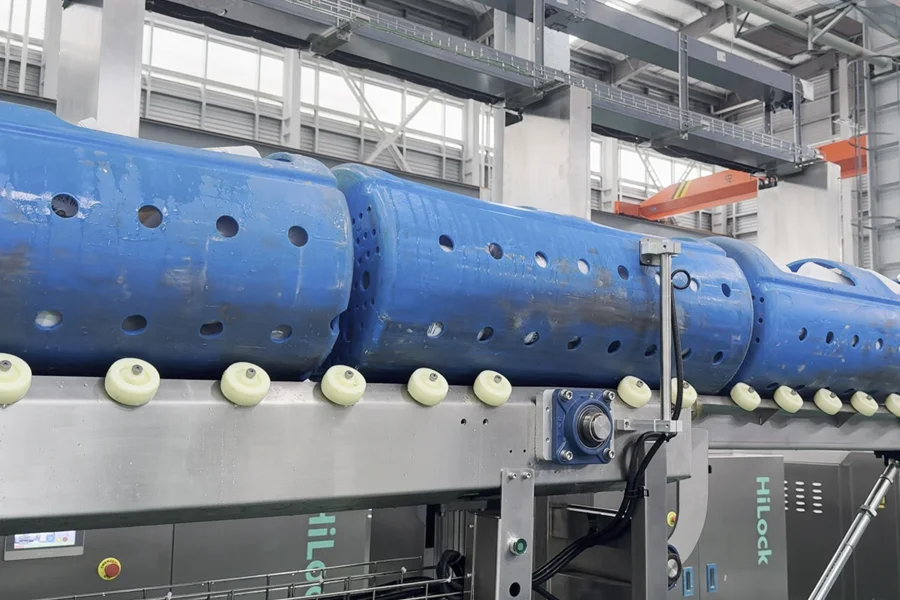
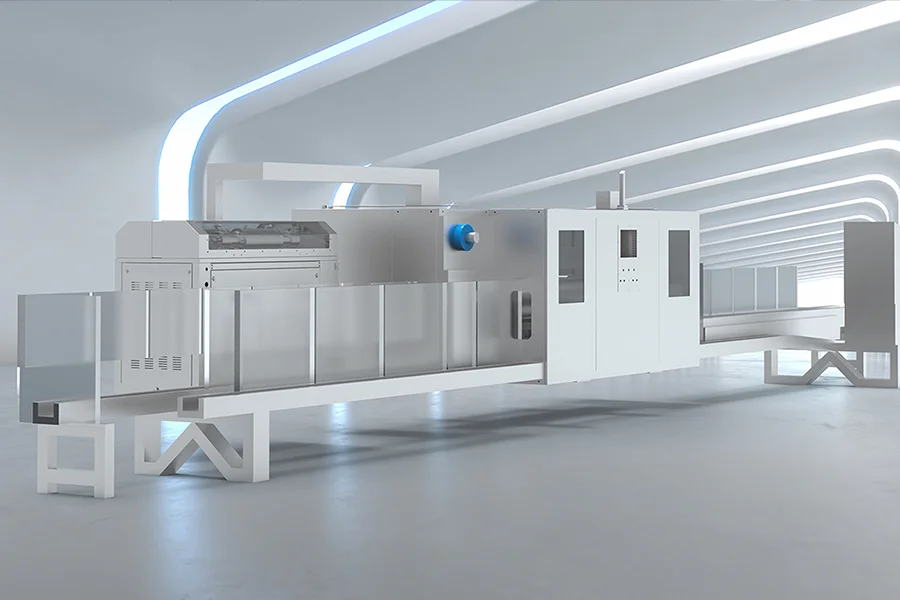
HiLock HPP equipment, built on over two decades of precision manufacturing expertise from its parent company, offers significant advantages in core components, process services, operational costs, and production line integration.
- Long lifespan: Aerospace-grade forged high-pressure vessel with 200,000-cycle lifespan
- Low maintenance: Self-developed core components, reducing maintenance costs by 40%
- Stable quality: ±5 MPa high-precision pressure control, excellent batch consistency
- Service-oriented: Free sample testing + 1,000+ food ingredient process database + customized production line design
- Easy integration: Full series from 2L to 525L, modular design, seamless integration into existing production lines
Conclusion
High Pressure Processing has become one of the most important innovations in modern food preservation. By combining advanced high pressure processing equipment with proven sterile processing technology, manufacturers can produce safer meat products while preserving the flavor, texture, and nutritional quality that consumers increasingly demand.
Compared with conventional thermal processing, HPP delivers superior product quality, longer shelf life, improved operational efficiency, and greater support for clean-label production. As global food safety regulations continue to evolve, investing in advanced meat processing equipment equipped with HPP technology is no longer just a competitive advantage—it is a strategic step toward sustainable growth, enhanced consumer trust, and long-term success in the meat processing industry.
For food processing enterprises seeking to improve product quality, extend shelf life, and achieve clean label products, HiLock HPP equipment is a market-proven, reliable choice.